Office of Research
Clinical Trials

Leading the Future of Clinical Medicine
The College of Medicine is a hub for groundbreaking clinical research. With over 30 specialized research units, our teams are dedicated to translating laboratory discoveries into life-saving clinical applications. From neurology to oncology, we provide the infrastructure and expertise necessary to push the boundaries of modern medicine.

Browse our Research Units below to view current study listings.

Clinical Trials Search

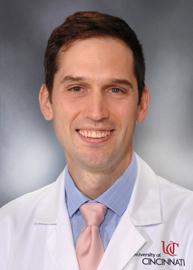
Emily Curran, MD

Emily Curran, MD

Principal Investigator

AML/ALL

Phase 1

Study of Biomarker-Based Treatment of Acute Myeloid Leukemia

This screening and multi-sub-study Phase 1b/2 trial will establish a method for genomic screening followed by assigning and accruing simultaneously to a multi-study "Master Protocol (BAML-16-001-M1)." The specific subtype of acute myeloid leukemia will determine which sub-study, within this protocol, a participant will be assigned to evaluate investigational therapies or combinations with the ultimate goal of advancing new targeted therapies for approval. The study also includes a marker negative sub-study which will include all screened patients not eligible for any of the biomarker-driven sub-studies.

This study may be appropriate for those with: Newly Diagnosed Cancer

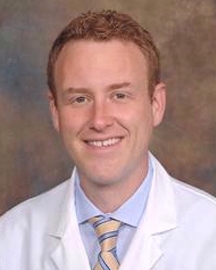
Gregory Fermann, MD

Gregory Fermann, MD

Cardiology

Sysmex CN-6000 D-dimer for VTE Exclusion

This study is a multicenter prospective, consecutive enrollment and management study in patients suspected of having acute PE and/or acute lower extremity DVT. At least eight (8) US clinical sites will be selected for VTE enrollment. After enrollment of subjects by informed consent, a blood sample will be collected, processed, aliquoted and stored for future investigational D-dimer testing.

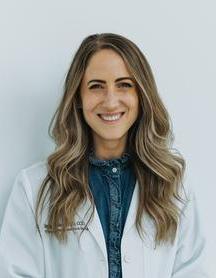
Leeya Pinder, MD, PhD

Leeya Pinder, MD, PhD

Cancer Screening & Prevention

Self Collection HPV Screening Study

This study tests whether people who collect their own vaginal sample for HPV testing get results that are as accurate as samples collected by a clinician during a pelvic exam. Adults 25 and older who were referred for colposcopy because of an abnormal cervical screening test will first collect a vaginal sample themselves, then have a clinician collect a cervical sample and undergo standard colposcopy with biopsy or other procedures if needed. Lab results are compared to see how well self-collection detects high-risk HPV and signs of cervical precancer or cancer. The study also asks participants about ease of use, comfort, and preferences for self-collection. Results will help guide use of self-collection for cervical cancer screening and possible regulatory decisions.

Alberto Espay, MD

Alberto Espay, MD

Parkinson's disease | Movement Disorders

Dystonia Coalition Projects-3

The overall mission of the Dystonia Coalition is to develop a better understanding of the dystonias so that we may improve treatment. Presently, there are four related projects; the first three projects are grouped together because they are related. The last project will be open only to selected participants as an option. 1. Natural History (NH) Project: The aim of this observational project is to better characterize the heterogeneity of clinical manifestations among subjects with dystonia, how these manifestations evolve over time, and how they relate to other family members. A fuller understanding of clinical features and especially their evolution over time is an essential prerequisite for testing any potential disease-modifying therapies that could alter the course of the disorder. 2. Objective Measures (OM) Project: The aim of this project is to exploit technological advances for development of objective tools to measure the severity of dystonia. Current diagnostic and severity measures depend almost entirely on subjective clinician-rated or patient-rated scales. New technology could ultimately replace these subjective scales as outcome measures. They could also be used for telemedicine. This study is not interventional, but instead relies on video recordings or motion sensors that can non-invasively detect movements. 3. Biobank (BB) Project: The aim of this project is to develop a resource that expands the existing dystonia DNA biorepository to include other biomaterials. To date, no large multicenter open-access biorepository exists for any type of dystonia. Such a biobank is essential for improving our understanding of the pathogenesis of the dystonias, so that rational therapies can be planned. It also is essential for exploration of biomarkers of disease activity that may provide useful outcome measures in clinical trials, or insights into pathogenesis. This study also is not interventional. 4. Patient-Centered Outcomes (PCO) Project: The aim of this project is to delineate both between-subject and within-subject variations over time in response to the standard of care treatment with Botulinum toxin (BoNT) injections. Typically, injections are required about every 3 months. Therapeutic benefits emerge within the first week and then wear off after 8-16 weeks, creating a cyclical response known as the "yo-yo" effect. The development of any novel "add-on" therapeutics or replacement therapeutic is hampered by incomplete knowledge of individual temporal responses. Currently, measurement tools rely on clinical rating scales which are subjective, cumbersome for repeated frequent use, and require extensive expertise to apply. This project will develop a patient-facing tool on a hand-held electronic device, such as a smartphone. This is not an interventional study; it aims to collect data regarding responses to routine clinical treatments.

Caleb M. Adler, MD

Caleb M. Adler, MD

Bipolar

Long-Term Study of People Living with Bipolar Disorder

This study is following adults who have bipolar disorder over several years to better understand how their moods, health, and daily life change over time. Participants take part in interviews, surveys, memory and thinking tests, and brain scans, and may wear a Fitbit or use a phone app to track sleep and activity. The goal is to learn why bipolar disorder affects people differently so future care can be more personalized and effective.

Abhimanyu Mahajan, MD, MHS, FAAN

Abhimanyu Mahajan, MD, MHS, FAAN

Parkinson's disease | Movement Disorders

Hypotension in PDD and DLB

Is hypotension the mechanism behind cognitive fluctuations in Parkinson's disease dementia and dementia with Lewy Bodies? The aim of the study is tp determine if the cortical electroencephalographic signatures of cognitive fluctuations are present in PDD and DLB patients with OH. We will use a tilt table test to determine if PDD/DLB patients with OH may have a differential electroencephalographic pattern than those without OH. Hypothesis: PDD and DLB patients with OH will have dominant frequency variability between alpha (8.0-12.0 Hz) and pre-alpha (5.5-7.5 Hz) bands compared with patients without OH.

Jason Winnick, PhD

Jason Winnick, PhD

Endocrinology

Hypoglycemia in Type 1 Diabetes

The purpose of this study is to observe the effect of fasting on liver glycogen storage and hypoglycemia counterregulation in subjects with type 1 diabetes. Sugar is stored in the liver and is used to fight off low blood sugar levels. Low levels of blood sugar can have a negative impact on peoples' health, especially those with type 1 diabetes (T1D). Normally, when the blood sugar becomes low, the release of hormones such as adrenaline and glucagon cause sugar that is stored in the liver to be released into the blood. This process prevents low blood sugar. In people with type 1 diabetes, this process does not work properly and we are interested in finding out why. When people eat breakfast and lunch, it increases the amount of sugar stored in the liver and this may control our ability to fight off low blood sugar. We want to learn whether fasting will reduce the normal responses to low blood sugar. We will study people with T1D. We want to learn how both fasting and eating affect the ability of people with T1D to respond to low blood sugar.

Alberto Espay, MD

Alberto Espay, MD

Parkinson's disease | Movement Disorders

TQR-84 (Placebo Study)

Patients will be told they are receiving either a novel medication (TQR-84) or placebo. However, all participants will receive IR-CD/LD. We will evaluate the differences on motor improvement after levodopa introduction, as measured by the motor subscale of the Unified Parkinson's Disease Rating Scale (MDS-UPDRS-III),13 between a positive framework (to enhance expectations) compared to a neutral framework (to dampen expectations).

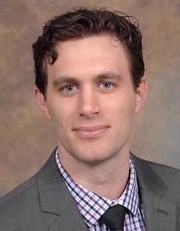
Caroline Freiermuth, MD

Caroline Freiermuth, MD

Ultrasound | Opioid Reduction

Freiermuth ALTO

Decrease the overall morphine milliequivalents administered to patients who present with femoral fracture or shoulder dislocation by 10% through expanded utilization of ultrasound-guided local anesthetic administration. Objective 1: By the end of year 2, 50% of faculty and residents will have performed a nerve block for one of the targeted conditions or completed training utilizing models through educational sessions led by ultrasound fellowship trained faculty Objective 2: Utilize research staff to screen the ED for eligible patients and remind the treatment team of protocols for ultrasound-guided blocks to increase uptake Objective 3: By the end of the project, perform nerve blocks for at least 50% of patients seen for femur fractures or shoulder dislocations, for a total of 311 patients treated Objective 4: Quarterly assess differences in amount of morphine milliequivalents administered to patients for femur fractures and shoulder dislocations among those who received a nerve block compared to those that did not to monitor impact of the program and guide educational and informational initiatives

Caroline Freiermuth, MD

Caroline Freiermuth, MD

Opioid Reduction

ALTO ED Integrative Health Referrals

This study tests whether routinely offering ED patients a referral to integrative health services increases use of nonpharmacologic options and reduces opioid prescribing and opioid consumption. Qualifying ED patients (age ≥18) presenting with low back pain, headache, abdominal pain, certain mental health conditions, or suspected substance use disorder will be offered a referral to the Osher Center for Integrative Health. Services available include acupuncture, mindfulness therapy, music therapy, massage, movement therapies (tai chi, yoga), lifestyle coaching, and nutrition education. The intervention is operationalized by adding the Osher Center referral to the ED preference list in the electronic health record to make it easy for ED clinicians to offer and place referrals. Participants will complete a baseline visit in the ED and a 30-day follow-up phone call to capture referral uptake, opioid prescriptions written, opioid use, pain and symptom measures, and patient experience. Patients who are pregnant, prisoners, unable to consent, actively suicidal/on psychiatric hold, febrile, trauma activations, or with altered mental status are excluded. Total participation time is 30 days (baseline plus one follow-up). The primary goals are to increase integrative health referrals and uptake and to decrease opioid prescribing and patient-reported opioid consumption after ED discharge.

Aram Zabeti, MD

Aram Zabeti, MD

Multiple Sclerosis

Phase 3

Studying a Switch in Treatment for Relapsing Multiple Sclerosis

This study is testing whether a daily oral medicine called remibrutinib works as well as the current treatment, ocrelizumab, for people with relapsing multiple sclerosis. People who have been on ocrelizumab for at least 18 months and are between 40 and 70 years old may join. The study will look at how MS changes over time using MRI scans, physical tests, and symptom reports. Participants may receive remibrutinib or continue ocrelizumab for up to two years, and those who finish this part may continue on remibrutinib for another two years. The study aims to learn whether switching to remibrutinib is safe, effective, and easier for patients.

Frank McCormack, MD

Frank McCormack, MD

General Pulmonary | Ambulatory

Translational Pulmonary Science Center

Researchers are trying to learn more about diseases related to pulmonary, critical care, and sleep medicine. Much of this research is done using human tissue and health information. Through these studies, researchers hope to find new ways to detect, treat, and maybe prevent or cure health problems. Some studies may lead to new products, such as drugs or tests for diseases. A repository makes it easier for researchers to perform studies, since samples and information from many different people will be available in one place. Researchers can use samples and information only after their project is approved by a human protection review board, and samples are only dispensed after review by the Translational Pulmonary Science Center (TPSC) research committee.

Braxton Forde, MD

Braxton Forde, MD

Maternal & Fetal Medicine | General

Understanding Inflammation During Pregnancy and Preterm Birth

This study aims to learn how inflammation during pregnancy affects both mothers and babies, especially when a baby is born early. Researchers will collect blood and tissue samples after birth. These samples help scientists understand how conditions like infection or inflammation inside the uterus may lead to early labor or health problems for newborns. Participation does not change medical care and involves no follow-up. The information collected may help improve future care for pregnant people and babies.

Kara B. Markham, MD

Kara B. Markham, MD

Maternal & Fetal Medicine

Use of a new medication for prevention of fetal/neonatal thrombocytopenia (low platelets)

Fetal neonatal alloimmune thrombocytopenia (fNAIT) is a rare disease in pregnancy in which women develop antibodies against proteins on platelets (the cells in our blood that are help with clotting). These antibodies can cross the placenta in pregnancy and, if the fetus has that protein on his/her platelets, they can cause destruction of these cells. This results in thrombocytopenia (low platelets) and can lead to severe bleeding events. Standard prevention of disease in pregnancy includes immune suppression with something called IVIG and prednisone. We are comparing this treatment to a novel treatment using a medication called nipocalimab, a treatment that aims to block transfer of the antibodies across the placenta. Patients will be randomly assigned to receive either nipocalimab or the IVIG+Prednisone, and we will monitor the safety and response in the fetus and baby.

Natalie Kreitzer, MD

Natalie Kreitzer, MD

TBI/Concussion

Brain Oxygen Optimization in Severe TBI

BOOST3 is a randomized clinical trial to determine the comparative effectiveness of two strategies for monitoring and treating patients with traumatic brain injury (TBI) in the intensive care unit (ICU). The study will determine the safety and efficacy of a strategy guided by treatment goals based on both intracranial pressure (ICP) and brain tissue oxygen (PbtO2) as compared to a strategy guided by treatment goals based on ICP monitoring alone. Both of these alternative strategies are used in standard care. It is unknown if one is more effective than the other. In both strategies the monitoring and goals help doctors adjust treatments including the kinds and doses of medications and the amount of intravenous fluids given, ventilator (breathing machine) settings, need for blood transfusions, and other medical care. The results of this study will help doctors discover if one of these methods is more safe and effective.

Manish Anand, MD

Manish Anand, MD

Glomerular Diseases

Phase 3

Efficacy and Safety of Iptacopan for IC-MPGN

This study is investigating iptacopan's effectiveness and safety for treating idiopathic immune complex-mediated membranoproliferative glomerulonephritis (IC-MPGN). People aged 12-60 with IC-MPGN who are already on stable treatment may participate. The study will compare iptacopan with a placebo in terms of reducing protein levels in the urine and improving kidney function (measured by eGFR). It also assesses whether patients feel less fatigued. After completing the study, participants can choose to continue iptacopan in another study. The study involves safety monitoring, includes vaccinations for certain infections, and is open only to those meeting specific health criteria without certain exclusions.

Laura Ngwenya, MD, PhD

Laura Ngwenya, MD, PhD

Neurotrauma

INDICT

The goal of acute TBI treatment is to minimize secondary damage that evolves over hours to days after the primary injury. Until now, however, there have been no methods for monitoring heterogeneous pathologic mechanisms to identify patients for appropriate neuroprotection therapies. Using invasive monitoring, investigators have documented that spreading depolarizations (SD), a cytotoxic dysfunction of cerebral gray matter that has been well-characterized through 60 years of research in animal models, are the dominant pathophysiologic process in peri-lesion cortex of many, but not all, severe TBI patients. Furthermore, it was found that the occurrence of SD as a secondary injury process in patients is an independent predictor of worse neurologic outcomes. Thus, monitoring of SD as a heterogeneous mechanism in TBI may allow selective use of therapy in only those patients who might benefit. Here the investigators will conduct a randomized Phase 2 feasibility trial that uses real-time SD monitoring to guide implementation of a tier-based protocol of intensive care therapies aimed at SD suppression. The study is based on the hypothesis that outcomes from severe TBI can be improved by targeting intensive care therapies to suppress the pathology of SDs as a brain marker and mechanism of secondary injury. The objective of this study is to test the feasibility of this approach to intensive care management of severe TBI in a Phase 2 trial that uses real-time SD monitoring to guide administration of prescribed therapies to suppress SD. The aims are to (1) determine the feasibility of real-time SD monitoring to guide intensive care management of severe TBI, and (2) determine the effect of SD-guided vs. standard care management to reduce secondary brain insults in severe TBI. This is a randomized Phase 2 clinical trial enrolling approximately 72 patients at 3 sites. Patients requiring neurological surgery for emergency treatment of TBI will be enrolled. The need for surgery allows for the placement of an electrode strip on the brain during surgery for subsequent electrocorticography (ECoG). ECoG data will be monitored continuously in real-time for the occurrence of SDs during intensive care. When SDs are observed, these patients (~60%, or n=43) will be randomized 1:1 to either standard (control) or SD-guided care. In the standard care arm, treatment will follow local and national guidelines with blinding to further ECoG results. In the SD-guided arm, treatment will follow a tiered-based protocol with escalation and de-escalation based on efficacy to suppress further SD pathology. Treatments will include use of ketamine sedation and adjusted targets for plasma glucose, cerebral perfusion pressure, temperature, and end-tidal CO2. As outcomes, the accuracy of real-time SD scoring and compliance with protocol tier assignment and therapy implementation will be assessed. The burden of SD pathology, other measures of cerebral physiology (intracranial and cerebral perfusion pressures, and brain oxygenation), and medical complications will also be compared between the two study arms.