Office of Research
Clinical Trials

Leading the Future of Clinical Medicine
The College of Medicine is a hub for groundbreaking clinical research. With over 30 specialized research units, our teams are dedicated to translating laboratory discoveries into life-saving clinical applications. From neurology to oncology, we provide the infrastructure and expertise necessary to push the boundaries of modern medicine.

Browse our Research Units below to view current study listings.

Clinical Trials Search

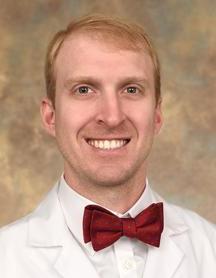
Cristiano Spadaccio, MD

Cristiano Spadaccio, MD

Surgery

Phase 2

Cor TRICUSPID ECM Valve Study

This study checks the safety and performance of the Cor TRICUSPID ECM Valve (and a pediatric version) when used to replace a broken or leaking tricuspid heart valve. Adults and children who need surgical tricuspid valve replacement may take part. Before surgery participants have a baseline check, then they get the valve implanted during open heart surgery. Follow-up exams happen at hospital discharge, 30 days, 6 months, 12 months, and then every year up to 5 years. The study will track whether the valve is implanted successfully, whether it works to reduce valve leakage and improve symptoms, and whether there are device‑related complications such as infection, valve failure, or need for another procedure.
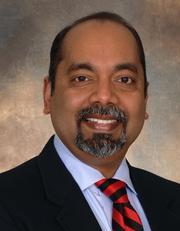
Deepak G. Krishnan, DDS

Deepak G. Krishnan, DDS

Surgery

Studying teeth in people with mental health conditions

This research is studying whether people with mental health conditions have differences in their teeth compared to people without these conditions. Teeth that are removed during routine dental extractions will be collected and analyzed. No extra procedures are required beyond standard dental care. The study will not change treatment, and there may be no direct benefit, but the results may help improve understanding of oral health in people with mental health conditions.

Cristiano Spadaccio, MD

Cristiano Spadaccio, MD

Surgery

Phase 3

4F PCC in Complex Cardiovascular Surgery

This phase 3 randomized study enrolls adults having complex heart surgery with cardiopulmonary bypass who develop bleeding and need coagulation factor replacement. Participants are randomly assigned to receive either BE1116 (a 4 factor prothrombin complex concentrate) or standard fresh frozen plasma. The main goal is to compare how quickly and effectively each treatment corrects clotting problems shortly after infusion. The study also looks at bleeding control over the first day, need for additional blood products or surgical re-intervention, bleeding scores, chest tube output, ICU and hospital length of stay, lab measures of clotting factors, and safety including adverse events. Most assessments occur during the operation and in the first 48 hours after treatment, with follow up through about 30 days after infusion.

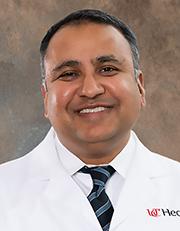
Sonu A. Jain, MD

Sonu A. Jain, MD

Surgery

Phase 3

NTX001 Nerve Repair Phase 3

This is a Phase 3 randomized, blinded study testing NTX-001, a single-use surgical product used with standard suture neurorrhaphy, in adults with severed nerves in the upper limb that need surgical repair. NTX-001 uses a PEG-fusion approach intended to reconnect many axons at the time of repair to reduce the usual nerve degeneration that follows a cut nerve. The trial compares NTX-001 plus standard suture repair to standard suture repair alone. Adults 18 to 80 years old with class 4 or 5 nerve transections repaired within 48 hours may enroll unless they need grafts, have certain medical problems, allergies to PEG or silicone, are pregnant, or are in other recent trials. The study measures hand function and pain (Michigan Hand Questionnaire and Numeric Pain Rating Scale), nerve tests (EMG and nerve conduction), sensory and motor scores, time to regain function, and safety measures including wound and device related events. Follow up includes an operating room assessment and scheduled visits up to 48 weeks to track recovery and safety.

E. Steve S. Woodle, MD

E. Steve S. Woodle, MD

Transplant | Surgery

Phase 1

AT1501 Kidney Transplant Study

This is a Phase 1b, open-label study that will test AT-1501 in up to 48 people receiving a first kidney transplant. AT-1501 is given with standard transplant medicines: rATG as induction, low-dose corticosteroids, and mycophenolate for maintenance. The study will track safety issues, measure how the drug behaves in the body (drug levels and related measures), and look for signs that it helps prevent rejection. Safety will be followed through the study (about up to 20 months on average). Pharmacokinetic sampling is planned soon after the first dose and again at steady state around Month 3. The study is single-arm, so every participant receives AT-1501 alongside routine transplant care.

Deepak G. Krishnan, DDS

Deepak G. Krishnan, DDS

Surgery

3D Models for Mandible Repair

This study tests whether making a 3D printed model of a patient's broken lower jaw (mandible) helps surgeons operate faster and feel more confident. Adults with an isolated mandible fracture who need surgical repair will be randomly placed into one of two groups. In the 3D model group, a patient-specific printed mandible will be used before surgery so the surgeon can plan and pre-bend the fixation plate. The control group will receive standard care without a printed model. The main things measured are total time in the operating room (especially the critical parts of the procedure) and the surgeon's satisfaction with the planning and use of the model, collected up to two days after surgery. The goal is to see if this personalized planning tool reduces OR time and is useful to surgeons when treating jaw fractures.

Cristiano Spadaccio, MD

Cristiano Spadaccio, MD

Surgery

JuxtaFlow Renal Support During Surgery

This study tests the JuxtaFlow Renal Assist Device (RAD) in people with reduced kidney function who need heart surgery with a heart‑lung machine. JuxtaFlow gently applies a small negative pressure to the kidney collecting system through the renal pelvis. The goal is to boost filtration and lower pressure inside the kidney while patients go through the stress of surgery and cardiopulmonary bypass. The trial randomly assigns patients to receive JuxtaFlow plus usual care or to receive usual care alone. The main measures are the peak change in blood creatinine within 96 hours after surgery and the number and type of side effects up to 30 days. The study also looks at time spent in ICU and hospital, how often dialysis is needed, urine output and electrolytes, and kidney function at 14 and 30 days. Participants will receive the device around surgery and be followed while in hospital and at planned visits up to 30 days; some outcome data such as length of stay are tracked through study completion (about 1 year for the U.S. cohort).

Cristiano Spadaccio, MD

Cristiano Spadaccio, MD

Surgery

Revascularization Choices Women Trial

This study enrolls women with multivessel or left-main coronary artery disease for whom the local Heart Team believes either bypass surgery or stent-based artery opening (PCI) is a reasonable option. Participants are randomly assigned to receive either coronary artery bypass grafting (CABG) or percutaneous coronary intervention (PCI) with stents. Researchers will follow participants for 5 to 10 years, checking survival, heart-related events, and many measures of health and quality of life. Questionnaires and phone visits occur at 30 days, 3 months, 6 months, then every 6 months through year 3, and yearly after that up to 10 years. Tests such as an echocardiogram and blood work are done around one year as part of standard care. The main goal is to compare overall survival together with changes in general quality of life over time; many secondary outcomes include disease-specific quality of life, symptoms, hospital stays, heart attacks, strokes, repeat procedures, and complications from treatment.

James A. Phero, DDS, MD

James A. Phero, DDS, MD

Surgery

Weight Changes After Jaw Surgery

This research study is looking at how people's weight changes after jaw surgery. Doctors know that some people lose weight while they recover, but it is not clear how much weight is usually lost or whether it depends on the type of surgery or the recommended diet after surgery. People who are already planning to have jaw surgery may be asked to join. If they choose to participate, their weight will be recorded before surgery and during routine follow-up visits over about six weeks. The study does not change medical care, surgery, or recovery. There is no direct benefit to participants, but the information may help improve care for future patients.