Office of Research
Clinical Trials

Leading the Future of Clinical Medicine
The College of Medicine is a hub for groundbreaking clinical research. With over 30 specialized research units, our teams are dedicated to translating laboratory discoveries into life-saving clinical applications. From neurology to oncology, we provide the infrastructure and expertise necessary to push the boundaries of modern medicine.

Browse our Research Units below to view current study listings.

Clinical Trials Search

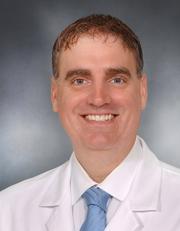
Greg R. Dion, MD

Greg R. Dion, MD

Laryngology

Studying Airway Cells in the Lab

Adults having airway surgery may allow small cell samples to be collected and grown in the lab. This research helps scientists study airway diseases and test new treatments but does not change patient care.
Ahmad R. Sedaghat, MD

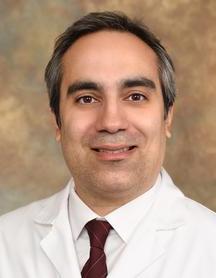
Ahmad R. Sedaghat, MD

Rhinology

Understanding chronic sinus and nasal inflammation

This research aims to learn more about conditions that cause long-lasting sinus and nasal inflammation, such as chronic sinusitis and allergies. People already receiving routine care may be asked to provide small samples of nasal mucus, blood, or tissue during regular clinic visits. Researchers will compare these samples with symptoms and treatment results over time to understand why some patients respond better to medical treatments than others. The goal is to support more personalized care in the future.

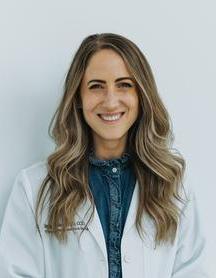
Brittany N. Krekeler, PHD,CCC-SLP

Brittany N. Krekeler, PHD,CCC-SLP

Dysphagia Rehab

Understanding Swallowing Exercises

Healthy adults complete swallowing and tongue exercises during a single x-ray swallow study visit. The goal is to understand how these exercises move swallowing muscles.

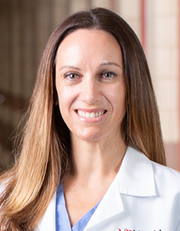
Katie M. Phillips, MD

Katie M. Phillips, MD

Rhinology

Understanding Flare-Ups in Chronic Sinusitis

This study aims to understand why people with chronic sinus problems sometimes experience sudden flare-ups. Adults with chronic sinusitis will have nasal samples taken during a flare-up and again about a month later. The study does not change medical care but may help improve future treatments.

Greg R. Dion, MD

Greg R. Dion, MD

Laryngology

Studying Airway Bacteria in Stenosis

Adults undergoing airway surgery will have airway samples collected to study bacteria that may affect healing and disease.

Brittany N. Krekeler, PHD,CCC-SLP

Brittany N. Krekeler, PHD,CCC-SLP

Dysphagia Rehab

Videofluoroscopic Swallowing Norms

This study will use videofluoroscopy (a moving X-ray of swallowing) to measure how people of different ages swallow. The team will test about 280 healthy adults across the adult age span and will also collect data from three clinical groups at risk for swallowing problems: people with Parkinson disease, people with COPD, and people recently having had a stroke. The goal is to build clear normal ranges for swallowing measures (like airway protection, residue left after swallowing, timing of airway closure, and how well the throat squeezes) and to find practical cutoff points that help tell normal from disordered swallowing. The results aim to help clinicians interpret swallowing tests more reliably and guide diagnosis and treatment decisions.

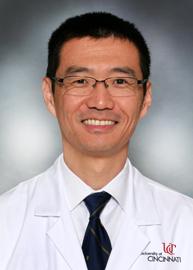
Daniel Q. Sun, MD

Daniel Q. Sun, MD

Otology

Understanding Drug Delivery to the Inner Ear

During routine ear surgery, small pieces of tissue that would otherwise be thrown away are studied in the lab to improve future hearing treatments.

Brittany N. Krekeler, PHD,CCC-SLP

Brittany N. Krekeler, PHD,CCC-SLP

Dysphagia Rehab

How eating a meal affects tongue strength and fatigue

This study is exploring how eating a normal meal may cause tongue fatigue and whether this differs by age. Healthy younger and older adults will complete simple tongue strength tasks before and after eating a standardized meal. These tasks help researchers understand how eating affects the muscles used for chewing and swallowing. Participation involves a single visit and does not change medical care. The results may help improve understanding of fatigue related to eating as people age.

Katie M. Phillips, MD

Katie M. Phillips, MD

Rhinology

Improving Instructions After Sinus Surgery

Adults having sinus surgery will receive either standard or improved written instructions. About one week later, they will answer questions about how helpful and clear the instructions were.

Katie M. Phillips, MD

Katie M. Phillips, MD

Rhinology

Understanding Types of Chronic Sinusitis

Adults with chronic sinusitis undergoing sinus surgery may have discarded tissue studied to understand different biological patterns of the disease.

Katie M. Phillips, MD

Katie M. Phillips, MD

Rhinology

Patterns in Chronic Sinusitis After Surgery

Adults having sinus surgery may join this study, which compares disease patterns across different groups. Participation involves data collection around routine care.

Ahmad R. Sedaghat, MD

Ahmad R. Sedaghat, MD

Rhinology

Understanding how people with chronic sinus disease describe flare-ups and control

This study aims to better understand how people with chronic sinus problems think about when their symptoms are "under control" and what they consider a flare-up. Adults with chronic sinus disease will be asked to share their experiences during interviews, either by phone, video, or in clinic. Researchers will look for common themes in these conversations to help create clearer, patient-centered ways for doctors and patients to talk about symptoms and treatment success. Participation involves interviews only and does not change medical care.

Brittany N. Krekeler, PHD,CCC-SLP

Brittany N. Krekeler, PHD,CCC-SLP

Dysphagia Rehab

Measuring Tongue Strength and Swallowing

Adults having a routine swallow x-ray can join a brief tongue strength test to see how tongue function relates to swallowing.

Ahmad R. Sedaghat, MD

Ahmad R. Sedaghat, MD

Rhinology

Understanding Chronic Sinusitis Symptoms

This study interviews adults with chronic sinus problems to understand how they recognize flare-ups and symptom control. The goal is to improve future symptom tracking and care.

Ahmad R. Sedaghat, MD

Ahmad R. Sedaghat, MD

Rhinology

Understanding Sinus Inflammation

Adults having sinus surgery may provide samples to help researchers understand inflammation and improve treatments.

Daniel Q. Sun, MD

Daniel Q. Sun, MD

Otology

Testing Drug Delivery to the Inner Ear

Adults undergoing ear surgery may allow discarded tissue to be studied in the lab to improve future drug delivery to the ear.

Greg R. Dion, MD

Greg R. Dion, MD

Laryngology

AI Tool for Airway Anatomy

Adults will have brief ultrasound scans of the neck to help train a computer system to recognize airway structures, which may aid future emergency care.

Katie M. Phillips, MD

Katie M. Phillips, MD

Rhinology

Phase 3

Itepekimab Nasal Polyps Study

This Phase 3 study will test itepekimab, a laboratory-made antibody that targets IL-33, in adults with chronic rhinosinusitis and nasal polyps that are not well controlled by standard care. Participants will continue intranasal corticosteroid spray and be randomly assigned to one of two itepekimab dose schedules or to placebo. The trial is double-blind and runs up to 52 weeks of treatment with screening before and safety follow-up after. Main goals are to see if itepekimab reduces polyp size and nasal congestion by 24 weeks, and to assess benefits through 52 weeks including sense of smell, CT scan changes, quality of life, lung function in those with asthma, and whether fewer people need steroid courses or sinus surgery. Safety will be monitored throughout, including adverse events and immune responses to the drug. Each participant will have about 9 site visits plus 20 phone or home contacts over the study period.

Greg R. Dion, MD

Greg R. Dion, MD

Laryngology | Head and Neck Cancer

Comparing Mouth and Throat Bacteria in Cancer Surgeries

This study looks at how the bacteria in the mouth and throat change for people having surgery for head and neck cancer. Some patients receive a free flap, which means tissue is moved from another part of the body to help with reconstruction. Others have surgery without a free flap. Participants provide simple swab samples before surgery and again about six weeks after surgery. These samples help researchers learn how surgery affects the natural bacteria in the mouth and throat. The study does not provide direct medical benefit, but what we learn may help improve future cancer care

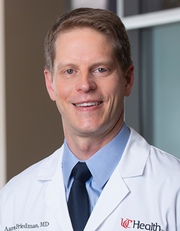
Aaron Friedman, MD

Aaron Friedman, MD

Laryngology

Studying throat growths in adults to help find better treatments

This study looks at growths in the voice box and airway caused by a virus. When adults have planned procedures to treat these growths, a small amount of tissue (and sometimes blood) is collected and used to grow cells in the lab. Researchers study the virus and genes and test different medicines on the lab grown cells to see what works best. There are no extra study visits. Participation continues while a person receives usual care. The main risk is a privacy breach, and steps are taken to protect information. Results are not shared with participants. About 50 adults are expected to take part.

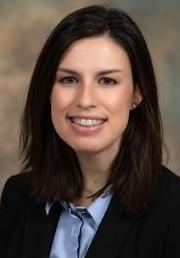
Rebecca J. Howell, MD

Rebecca J. Howell, MD

Laryngology

Studying Swallowing and Voice Function

Adults with and without vocal fold paralysis will take part during a standard swallowing test. Researchers will record how the voice box moves during swallowing and speaking to better understand swallowing safety. There is no direct benefit to participants.

Rebecca J. Howell, MD

Rebecca J. Howell, MD

Laryngology

Tracking Recovery After Vocal Cord Surgery

Adults having surgery for a weak or paralyzed vocal cord will have their recovery tracked over time through routine follow-up visits and questionnaires. The study helps improve future care.

Greg R. Dion, MD

Greg R. Dion, MD

Laryngology

Imaging Voice After Laryngectomy

Adults who have had their voice box removed and use a voice prosthesis may join during a regular clinic visit. A special camera is added briefly to the routine exam to record how tissues vibrate to create voice. The study does not change care and offers no direct benefit.

Aaron Friedman, MD

Aaron Friedman, MD

Laryngology

Phase 3

Vaccine Trial for Adults with Severe RRP

This study is testing a vaccine for adults with repeated airway growths that often need surgery. Participants receive four vaccine injections and are followed to see if surgery is needed less often and if symptoms improve.

Greg R. Dion, MD

Greg R. Dion, MD

Laryngology

Studying Fat Injections for Voice Problems

Adults already undergoing voice-related surgery may allow unused fat tissue to be studied. No extra procedures are added, and care is unchanged.