
Office of Research
Clinical Trials

Leading the Future of Clinical Medicine
The College of Medicine is a hub for groundbreaking clinical research. With over 30 specialized research units, our teams are dedicated to translating laboratory discoveries into life-saving clinical applications. From neurology to oncology, we provide the infrastructure and expertise necessary to push the boundaries of modern medicine.

Browse our Research Units below to view current study listings.

Clinical Trials Search

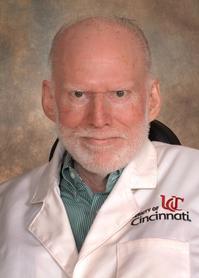
John G. Quinlan, MD

John G. Quinlan, MD

Neuromuscular

Using Voice Recordings to Measure Lung Function

This research is studying whether simple voice recordings, like counting out loud or holding a sound, can help measure lung function. It includes adults with neuromuscular diseases and healthy volunteers. These voice tests may help doctors monitor breathing when standard lung tests are difficult or unavailable.
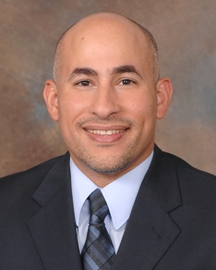
Hani Kushlaf, MD

Hani Kushlaf, MD

Neuromuscular

Phase 3

Subcutaneous weekly injection by autoinjector for Generalized Myasthenia gravis

Study IMVT-1402-3101 is a Phase 3, multicenter, randomized, placebo-controlled, double-blind study to assess the efficacy, safety and tolerability, PK, and PD of IMVT-1402 in participants 18 to 80 years old inclusive who have mild to severe gMG. Eligible participants will be randomized in a 1:1:1 ratio to receive blinded IMVT-1402 600 mg subcutaneous (SC) once weekly (QW), IMVT-1402 300 mg SC QW, or placebo SC QW for 12 weeks during Period 1

Hani Kushlaf, MD

Hani Kushlaf, MD

Neuromuscular

Phase 3

Oral Cladribine in Generalized MG

This is a Phase 3 study testing a new oral form of cladribine in adults with generalized myasthenia gravis (gMG). Participants are randomly assigned to receive the new cladribine or placebo during a 24 week double blind period. The study then continues into two extension periods to see how long benefits last, whether people need retreatment, and to monitor long term safety. The main measure is change in daily function using the MG-ADL score at 24 weeks. Other measures include muscle strength scores, quality of life, time to first retreatment, safety events, lab tests (including lymphocyte counts), and drug levels in the blood. People must have stable MG symptoms and medications before joining. Important exclusions include other immune or neuromuscular diseases, active infections, cancer, recent use of many other immune drugs, prior cladribine use, and lack of varicella immunity. The study aims to show whether oral cladribine can safely reduce MG symptoms and how long the effect lasts.

Hani Kushlaf, MD

Hani Kushlaf, MD

Neuromuscular

Phase 3

Placebo-controlled trial in Generalized Myasthenia Gravis

The purpose of this study is to evaluate the efficacy, safety and tolerability of remibrutinib in patients with generalized Myasthenia Gravis (gMG) who are acetylcholine receptor positive (AChR+), muscle-specific tyrosine kinase positive (MuSK+), or double-seronegative (AChR- and MuSK-) who are on stable, standard-of-care (SOC) treatment. The study aims to evaluate whether treatment with remibrutinib will result in the reduction of the total score in Myasthenia Gravis Activity of Daily Living (MG-ADL) scale as compared to placebo.