
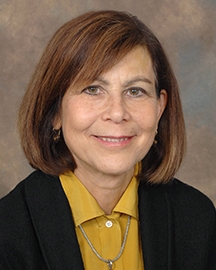
Rhonna Shatz, DO
Memory Disorders
Bringing Efficiency to the Early Alzheimer's Disease Diagnosis
This study is testing a new way to help doctors identify memory and thinking changes earlier. Adults age 50 and older who report concerns about memory or behavior may complete simple digital thinking tests at home and in the clinic, along with a blood test that looks for signs of Alzheimer's disease. The goal is to see whether this new approach helps people get a diagnosis faster and more accurately. Participants meet with a brain health team, complete questionnaires and thinking tasks, and then receive results from a trained primary care provider.