Office of Research
Clinical Trials

Leading the Future of Clinical Medicine
The College of Medicine is a hub for groundbreaking clinical research. With over 30 specialized research units, our teams are dedicated to translating laboratory discoveries into life-saving clinical applications. From neurology to oncology, we provide the infrastructure and expertise necessary to push the boundaries of modern medicine.

Browse our Research Units below to view current study listings.

Clinical Trials Search

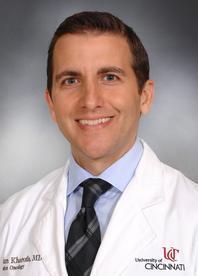
Jordan Kharofa, MD

Jordan Kharofa, MD

Head and Neck Cancer

Phase 1

Study of Ipatasertib with Chemoradiation for Head and Neck Cancer

This study is testing if a new drug, ipatasertib, can improve treatment when added to the usual chemotherapy and radiation for advanced head and neck cancer. Ipatasertib could help stop cancer growth by targeting specific proteins in cancer cells. The study aims to find the best dosage alongside existing treatments. It's primarily for patients with advanced stages of head and neck squamous cell carcinoma. Participants must be 18 or older, able to swallow pills, and meet certain health criteria. The study examines safety, necessary dosage, and treatment effectiveness. Patients will receive ipatasertib and typical cancer treatments over a set schedule and undergo various imaging tests. After treatment, they'll be monitored periodically up to two years. This research hopes to improve survival rates and better control cancer growth through this novel treatment combination.

This study may be appropriate for those with: Newly Diagnosed Cancer

Sara Medek, MD

Sara Medek, MD

Head and Neck Cancer

Phase 3

Investigating NBTXR3 and Radiation for Head and Neck Cancer

This study is testing a treatment called NBTXR3 to see how well it works when combined with radiation therapy, compared to just using radiation therapy with or without a drug called cetuximab. The research is focused on elderly patients who have advanced head and neck squamous cell cancer but cannot undergo platinum-based chemotherapy. Participants will be randomly assigned to two groups; one will receive NBTXR3 with radiation therapy, and the other will receive radiation therapy alone or with cetuximab as chosen by their doctor. The goal is to track how long patients live without their cancer getting worse and overall survival, among other measures. The treatment happens over 7 weeks, with a series of follow-up visits planned afterward.

This study may be appropriate for those with: Metastatic Cancer

Sara Medek, MD

Sara Medek, MD

Head and Neck Cancer

Phase 2

Study on BMX-001 for Reducing Mouth Sores in Head and Neck Cancer Patients

This research study is looking at whether a new drug, BMX-001, can help reduce mouth sores for patients receiving chemoradiation therapy for head and neck cancer. Mouth sores can be painful and make swallowing difficult. The study is for patients who are receiving standard cancer treatment with radiation and the drug cisplatin. The patients will be divided into two groups: one will receive a placebo, while the other group will get BMX-001. Both groups will follow the usual symptom management and will be monitored closely. This study aims to see if BMX-001 can effectively reduce the severity and duration of mouth sores better than usual care alone. Patients' progress will be followed even after the treatment ends, up to 24 months, to gather comprehensive results.

This study may be appropriate for those with: Metastatic Cancer

Davendra Sohal, MD, MPH

Davendra Sohal, MD, MPH

Head and Neck Cancer

Phase 2

Trial of BNT113 and Pembrolizumab for HPV16+ Head and Neck Cancer

This study is for patients who have a type of head and neck cancer that is linked to a virus called Human Papilloma Virus 16 (HPV16). The research is exploring whether a new treatment, using a vaccine called BNT113 together with a medicine called pembrolizumab, works better than just using pembrolizumab alone. Pembrolizumab is already a common treatment for this kind of cancer. The study is being conducted by BioNTech SE and involves patients who haven't been treated with systemic therapy for their cancer before. The first part of the study looks at safety to make sure the new combination doesn't cause serious side effects. The second part of the study compares how long patients live and how well their cancer responds to the different treatments. Those interested in participating need to have certain types of tumors that are both HPV16 positive and express a protein called PD-L1.

This study may be appropriate for those with: Metastatic Cancer

Jennifer Leddon, MD, PhD

Jennifer Leddon, MD, PhD

Head and Neck Cancer

Phase 2

Study of Ficerafusp Alfa and Pembrolizumab for Head and Neck Cancer

This study focuses on patients with certain types of head and neck cancers that have come back or spread. Researchers are testing a drug called ficerafusp alfa along with pembrolizumab, comparing it to a placebo with pembrolizumab. The aim is to see if the combination is safe and works better than the placebo. The study will happen in two phases. The first phase selects the best dose of ficerafusp alfa. The second phase will see how effective the treatment is when compared to a placebo, with patients randomly assigned to receive either the active treatment or a placebo. Key goals include measuring the response rate of tumors and overall survival among participants, while watching for side effects.

This study may be appropriate for those with: Newly Diagnosed Cancer

Jordan Kharofa, MD

Jordan Kharofa, MD

Head and Neck Cancer

Phase 1

Phase I/​ II Trial Combining PD-1 Inhibition and Neoadjuvant Proton or Photon Radiation Therapy in Head and Neck Cancer

This study tests a short course of radiation (either standard X-ray photon radiation or proton radiation) given before surgery together with the immunotherapy drug pembrolizumab for people with recurrent head and neck squamous cell carcinoma. Phase I will enroll small groups to find a safe radiation dose and make sure combining the treatments before surgery is tolerable. Phase II will randomly assign patients to receive either proton or photon radiation plus pembrolizumab before salvage surgery and compare the rate of major pathologic response (very low remaining tumor on the removed tissue) to historical results. About 40 patients will be screened and randomized. Key goals are safety, whether the combination increases major pathologic response, and longer-term outcomes like disease-free and overall survival. The study includes tissue and immune testing to learn how the treatments affect the tumor and microenvironment.

This study may be appropriate for those with: Recurrent Cancer

Kerri McGovern, MD

Kerri McGovern, MD

Head and Neck Cancer

Phase 3

Radiation With Cetuximab or Chemotherapy

This phase 3 trial compares two treatments given with high-precision radiation therapy (IMRT) for people with advanced head and neck cancer who cannot take cisplatin. Patients are randomly placed into one of two groups. One group gets weekly cetuximab (a drug that targets the EGFR protein on some cancer cells) together with 35 daily radiation treatments over about 7 weeks. The other group gets weekly carboplatin and paclitaxel chemotherapy together with the same radiation schedule. Patients have scans and blood tests during the study and are followed after treatment at 30 days, then at 4, 6, 12, 18, 24, 30, and 36 months and then yearly. The main goal is to compare progression-free survival between the two groups. Secondary goals include comparing overall survival, side effects, where the cancer returns if it does, and changes in eating and speaking function.

This study may be appropriate for those with: Metastatic Cancer

Chad Zender, MD

Head and Neck Cancer

Phase 2

Cemiplimab CDX-1140 Before Surgery

This is a randomized phase 2 study for adults with stage III or IV head and neck squamous cell cancer who are scheduled for surgery. Patients are placed into one of two groups. One group receives cemiplimab (an anti PD‑1 immunotherapy) before surgery. The other group receives one dose of the anti‑CD40 drug CDX‑1140 followed a few days later by cemiplimab before surgery. Surgery is planned about 4 to 5 weeks after treatment. After surgery patients receive standard care as needed and are followed for up to two years. The main goal is to compare how often the removed tumor shows a major pathologic response (very little viable cancer left) between the two groups. The study also checks safety and side effects, looks at tumor and blood markers (including gene expression and circulating tumor DNA), studies immune changes in the tumor, and measures drug levels. Visits include screening tests, treatment infusions, the surgery visit, and follow up visits at about weeks 9–10 and 18, at 6 months, and then every 3–6 months for two years.

This study may be appropriate for those with: Metastatic Cancer

Kerri McGovern, MD

Kerri McGovern, MD

Head and Neck Cancer

HNSCC Longitudinal Multiomic Study

This is a non‑interventional, forward‑looking study that will collect blood and tumor tissue from adults with metastatic or unresectable recurrent head and neck squamous cell carcinoma who are starting first‑line anti‑PD‑1 or anti‑PD‑L1 therapy as part of usual care. Samples will be tested using next‑generation sequencing (NGS), circulating tumor DNA (ctDNA) assays, RNA and immune profiling, and other multiomic techniques. Collections occur at baseline and at multiple time points during treatment and follow up. The goal is to find biomarkers that help predict who will benefit from treatment, understand how cancers become resistant, and link biomarker changes to real‑world outcomes like survival and time to next treatment. Participants are followed for up to five years; no experimental treatments are provided as part of the study.

This study may be appropriate for those with: Metastatic Cancer

Chad Zender, MD

Head and Neck Cancer | Skin Cancer & Sarcoma

Phase 3

Study of Cemiplimab and Surgery for Advanced Skin Cancer

This clinical trial is exploring whether the addition of an immunotherapy drug, cemiplimab, to the usual treatment of surgery, with or without radiation, is more effective for patients with advanced skin cancer that can be surgically removed. The trial focuses on squamous cell carcinoma that has returned or is at a stage that allows for surgery. Participants will be split into two groups: one receiving surgery alone and the other receiving cemiplimab before surgery, followed by surgery and potentially additional treatment. The researchers aim to see if the combined treatment approach leads to better outcomes such as longer event-free survival, improved disease-free survival, overall survival, and less frequent recurrence when compared to the standard treatment alone. Cemiplimab infusion is delivered through IV over 30 minutes as part of the experimental regimen.

This study may be appropriate for those with: Metastatic Cancer

Bailey Nelson

Bailey Nelson

Radiation Oncology

Learning About Radiation Treatment

Adults with head and neck cancer will be randomly assigned to watch a short video or receive standard discussion before radiation. Surveys measure understanding and satisfaction.

Jennifer Leddon, MD, PhD

Jennifer Leddon, MD, PhD

Phase 1 - Solid Tumor

Phase 2

DB 1311 Combination Trial

This is an open-label Phase 2 study testing DB-1311 given with either BNT327 or DB-1305 in people with advanced or metastatic solid tumors that have not responded to prior treatments. The study aims to check safety, side effects, how the body processes the drugs, and early signs of benefit like tumor shrinkage and longer time without disease growth. Eligible participants have one of several cancer types (liver cancer, cervical cancer, melanoma, head and neck cancer, platinum-resistant ovarian cancer, or non-small cell lung cancer) and meet basic health and lab criteria. People who previously received certain similar antibody-drug treatments, have serious uncontrolled illnesses, active brain metastases, autoimmune disease, or unresolved severe side effects are not allowed. Participants will receive study drugs in repeated treatment cycles and be seen regularly for safety checks, scans, and blood tests. The study may follow participants for up to about 6 years to collect long-term safety and outcome data.

This study may be appropriate for those with: Metastatic Cancer

Kerri McGovern, MD

Kerri McGovern, MD

Head and Neck Cancer

Phase 2

Testing Ado-Trastuzumab Emtansine Compared to the Usual Treatment for Salivary Gland Cancer

A CONTROLLED, RANDOMIZED PHASE II TRIAL OF DOCETAXEL PLUS TRASTUZUMAB VERSUS ADO-TRASTUZUMAB EMTANSINE FOR RECURRENT, METASTATIC, OR TREATMENT-NAÏVE, UNRESECTABLE HER2-POSITIVE SALIVARY GLAND CANCER

This study may be appropriate for those with: Metastatic Cancer

Anthony Faiola, PhD

Anthony Faiola, PhD

Brain Cancer

Effect of a Virtual Reality Cognitive Training Intervention for Brain Cancer Survivors

You will either be assigned to a group that uses the virtual reality training system or a group that will complete paper word search puzzles. At the start of the study all participants will be asked to complete three short cognitive tests to check your current memory and thinking skills. You will take the same tests again at the end of the study to see if anything has changed or improved. You will receive a schedule based on your start and end dates that explains which days you will need to complete the study-related tasks. You will complete the tasks at home for 4 weeks, 6 days a week. It will start at 15 minutes a day in week one and increase by 5 minutes each week, ending at 30 minutes a day in week four. You will receive either a VR headset and hand controllers for use with VR-CRT (and portable WI-FI hotspot if you do not have WI-FI at home) or a notebook for use with paper word-search puzzles (WSP). The research study will provide the technology to you free of charge, but with a technology sign-out consent to confirm your agreement to return the VR and WI-FI equipment once the study is completed. If you are in the VR group, you will be trained on how to use the equipment and how to connect the VR equipment to WIFI. Off-the-shelf VR equipment (Meta Quest 3/128 GB with WIFI) will be used.