Office of Research
Clinical Trials

Leading the Future of Clinical Medicine
The College of Medicine is a hub for groundbreaking clinical research. With over 30 specialized research units, our teams are dedicated to translating laboratory discoveries into life-saving clinical applications. From neurology to oncology, we provide the infrastructure and expertise necessary to push the boundaries of modern medicine.

Browse our Research Units below to view current study listings.

Clinical Trials Search

David Robinson, MD, MS

David Robinson, MD, MS

Acute | Neurotrauma | Neuro-critical care | General

Evaluating brain injury from subdural hematomas using advanced imaging

We hope to conduct advanced MRIs on patients. We think these MRIs will help better understand how subdural hematomas injure the brain and keep people from fully recovering once the blood goes away.

Greg R. Dion, MD

Greg R. Dion, MD

Laryngology

Imaging Voice After Laryngectomy

Adults who have had their voice box removed and use a voice prosthesis may join during a regular clinic visit. A special camera is added briefly to the routine exam to record how tissues vibrate to create voice. The study does not change care and offers no direct benefit.

Daniel Q. Sun, MD

Daniel Q. Sun, MD

Otology

Brain Imaging in Hearing Loss

Adults with and without hearing loss will undergo MRI scans to study brain changes related to hearing.

Justin Virojanapa, DO

Justin Virojanapa, DO

Functional | Spine

Brain and spine imaging before and after neck surgery for instability

This research study is looking at how advanced MRI scans can show changes in the brainstem and upper spine in people with craniocervical instability or a condition called basilar invagination. Participants will have MRI scans before surgery and again after surgery as part of their regular care, with one additional special scan. Researchers will compare these images to see how the spine and brainstem change after treatment and whether these changes relate to symptoms and recovery. The goal is to improve how doctors measure treatment success and better understand which patients may benefit from surgery.

Yasmin N. Aziz, MD

Yasmin N. Aziz, MD

Subacute

CAPTIVA MRI Biomarker Study

This is an observational MRI study done alongside the CAPTIVA clinical trial. People already enrolled in CAPTIVA who had a recent non-disabling stroke from severe narrowing (70-99%) of an intracranial artery can join. Participants get a detailed MRI scan within 14 days of CAPTIVA enrollment to look at artery plaque and blood flow. The study will follow participants for about 12 months to see if MRI features can help predict who will have another ischemic stroke in the same artery despite medical therapy. The goal is to find imaging markers that could guide future trials and improve care for patients with intracranial artery narrowing.

Michael D. Privitera, MD

Epilepsy

Phase 1

Cannabidiol for Focal Seizures Study

This is an open-label, single-group study testing a cannabidiol (CBD) oral solution as an extra medicine for people with focal-onset seizures aged 12 to 75. Participants will keep their current anti-seizure medicines (1 to 4 drugs) and add the CBD solution. The main goal is to see whether CBD lowers the number of focal seizures compared to each person's baseline over about 16 weeks. The study will also look at safety, how the body handles the drug (pharmacokinetics), and whether brain imaging (fMRI) or thinking tests predict who responds best. Some people in the study may be early in their treatment and others may have hard-to-treat seizures. The study does not include people with non-epileptic events, recent CBD or cannabis use, certain allergies, or unstable medical or mental-health issues.

Matt M. Florczynski, MD

Matt M. Florczynski, MD

Hand

Comparing Surgical Options for Treating Recurrent Carpal Tunnel Symptoms After a Prior Release

This study compares three different surgical approaches used when carpal tunnel symptoms return after a previous surgery. Some people experience relief at first, but symptoms later come back, and doctors must decide which type of revision surgery will give the best results. Because there is not enough research comparing these options, this study is designed to help provide clearer answers. Adults who have recurrent carpal tunnel symptoms and have tried nonsurgical treatments such as splinting or injections may qualify to participate. After completing a baseline evaluation, including hand strength testing and questionnaires, participants are randomly assigned to one of three revision procedures. All three techniques are currently used in clinical practice. After surgery, participants will return for follow‑up visits at several points over two years. At each visit they will complete surveys and have simple hand function checks to track improvement in symptoms, comfort, and daily use of the hand. By comparing recovery, hand function, and symptom improvement across different revision procedures, the study aims to help surgeons choose the best option for future patients. The study also looks at whether pre‑surgery symptoms, nerve test results, or imaging findings can help predict how well someone will recover after revision surgery.

Ying Wang, MD,PHD

Ying Wang, MD,PHD

Family & Community Medicine | Integrative Health & Wellness

Phase 2

Acupuncture for Sickle Cell Pain

This research tests whether acupuncture can reduce pain in people with sickle cell disease and how it affects the brain and blood markers. Participants 14–80 years old who have chronic sickle cell pain are randomly assigned to receive ten sessions (30 minutes each) of either traditional needle acupuncture or non-needle laser acupuncture. The main treatment period includes about 14 in-person visits over roughly 6–8 weeks. Investigators will collect pain and health questionnaires, perform sensory testing before and after treatments, and record brain activity using MRI, fNIRS, and EEG. During imaging, controlled pain stimuli will be applied to the lower leg. Blood samples will be taken before and after the treatment course to study biomarkers, and a noninvasive inner-eyelid image will be used to estimate hemoglobin. Participants will be followed monthly for up to 12 months after the in-person visits to track pain and quality of life. Some procedural details are not provided now to preserve study integrity.

Brian Grawe, MD

Brian Grawe, MD

Sports

Studying Shoulder Replacement Outcomes Using a Custom Baseplate for Severe Glenoid Bone Loss

This study looks at how well people do after a reverse shoulder replacement when they have severe bone loss in the socket of the shoulder (the glenoid). In these cases, a standard implant may not fit securely, so surgeons use a custom‑designed baseplate created from each patient's CT scan. The goal is to better understand early recovery, function, and implant stability in patients who receive these individualized implants. Patients who had this surgery between 2021 and 2024 and are willing to participate will be included. The study collects information from past medical records and from a new clinic visit. During this visit, patients complete short questionnaires about shoulder function and pain and undergo a routine exam that measures how far the shoulder can move. Patients also receive a CT scan so researchers can check how stable the baseplate is and whether screws or components have shifted. All surgeries were already completed as part of normal medical care. The study does not involve any new procedures, additional surgery, or experimental treatments. The custom baseplates used were designed from CT imaging to match each patient's anatomy and were implanted by a shoulder specialist. The information gathered will help surgeons understand how well these custom implants perform in the first months after surgery and whether they offer advantages for people with major glenoid bone loss. Findings may guide future treatment decisions and improve the quality of care for shoulder replacement patients with complex anatomy.

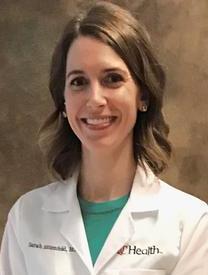
Sarah Sittenfeld

Sarah Sittenfeld

Gynecologic Cancer

Phase 3

Adjuvant Radiation for Pleural Mesothelioma

This randomized Phase 3 study compared two approaches for treating stage I-IIIA malignant pleural mesothelioma that is suitable for pleurectomy/decortication (P/D). All patients received surgery to remove visible tumor and standard chemotherapy (pemetrexed with cisplatin or carboplatin). Half of the patients were randomly assigned to also get adjuvant hemithoracic intensity-modulated pleural radiation therapy (IMPRINT), a targeted form of radiation to the chest lining, while the other half received no additional radiation. The main goal was to see if adding IMPRINT improves overall survival. Secondary goals included measuring local control, spread to distant sites, progression-free survival, treatment-related side effects, and quality of life. The study also planned exploratory analyses of staging accuracy, surgical outcomes, biomarkers, and radiation dose effects. After treatment, patients were followed frequently for the first 2 years and then every 6 months for up to 5 years. The trial was terminated early, so only limited outcome data were available.

This study may be appropriate for those with: Newly Diagnosed Cancer

Jennifer Leddon, MD, PhD

Jennifer Leddon, MD, PhD

Lung Cancer

Phase 3

Neladalkib vs Alectinib in ALK NSCLC

This is a global Phase 3 study that will randomly assign people with ALK-positive advanced non-small cell lung cancer (who have not had prior systemic treatment for their lung cancer) to one of two first-line treatments: neladalkib (NVL-655) or alectinib. About 450 participants will be split evenly between the two drugs. The main goal is to see which drug keeps the cancer from getting worse for a longer time, using independent radiology review. Other goals include overall survival, brain (intracranial) outcomes, tumor response rates, safety and side effects, and patient-reported quality of life. Treatment continues until the cancer progresses or side effects prevent further treatment. Participants will be followed with regular scans and visits, and some measures will be collected for up to five years after the first patient is dosed.

This study may be appropriate for those with: Metastatic Cancer

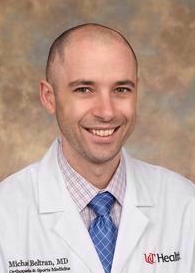
Michael J. Beltran, MD

Michael J. Beltran, MD

Trauma

Comparing Two Surgical Approaches for Fixing Posterior Malleolus Fragments in Ankle Fractures

This study looks at two accepted surgical approaches used to repair a specific part of the ankle-the posterior malleolus-in patients who have trimalleolar ankle fractures. In some patients, surgeons directly fix the broken piece of bone in the back of the ankle. In others, surgeons use indirect techniques to reduce and stabilize the fragment without directly exposing it. Both methods are commonly used today, but it is not known which leads to better stability and long‑term recovery. Patients who require surgery and meet the study's criteria will be invited to participate. Before surgery, each person receives standard X‑rays and a CT scan, and fills out questionnaires about their daily function and overall health. During surgery, after the main ankle bones are fixed, the surgeon performs a series of stress tests on the ankle joint to see whether the syndesmosis-the ligaments between the tibia and fibula-needs to be stabilized. These tests are standard and help determine the best treatment for each patient. The surgery itself and all choices about implants, positioning, and fixation are made by the treating surgeon based on their usual clinical practice. After surgery, patients return for checkups at about 6 weeks, 3 months, 6 months, and 12 months. At these visits, patients complete short surveys about pain, activity, and function, and receive routine X‑rays (except at the initial 2‑week wound check). The goal of the study is to find out whether directly fixing the posterior malleolus fragment leads to better ankle stability, fewer complications, and improved function compared with indirect treatment. The study does not add extra costs, procedures, or risks beyond standard care. What we learn may help guide future treatment decisions and improve recovery for patients with this type of ankle fracture.

Stacie Demel, DO, PhD

Stacie Demel, DO, PhD

Subacute

Endovascular Treatment in Disabled Stroke

This is a prospective, observational study at multiple stroke centers to compare two commonly used care approaches for people who had moderate-to-severe disability before getting a large-vessel ischemic stroke. One approach is standard medical care (medications, blood pressure and cholesterol control, rehab and other supportive measures) and the other adds endovascular thrombectomy (mechanical removal of the clot). The study will enroll adults with pre-stroke disability (moderate to severe) who arrive within 24 hours of stroke symptoms and have a large artery blockage on brain imaging. The main goal is to compare how patients do at about 90 days after treatment-measuring functional outcome, return to prior level, quality of life, and safety (including death and bleeding in the brain). Results aim to guide care decisions for stroke patients who already had disabilities before their stroke.

Brittany N. Krekeler, PHD,CCC-SLP

Brittany N. Krekeler, PHD,CCC-SLP

Dysphagia Rehab

Measuring Swallowing in Healthy Adults

Healthy adults will undergo ultrasound imaging while swallowing to establish normal movement patterns.

Jennifer Leddon, MD, PhD

Jennifer Leddon, MD, PhD

Lung Cancer

Phase 3

Study on BAY 2927088 for Lung Cancer with HER2 Mutations

This study is examining a new treatment called BAY 2927088 for people with advanced non-small cell lung cancer (NSCLC) that involves specific changes in the HER2 gene. The goal is to see how well this drug works compared to standard chemotherapy. Participants will receive either the new medication orally or standard chemotherapy via infusions. Doctors will use imaging tests like CT and MRI scans to track cancer progress, along with various health tests. The study aims to observe progression-free survival and overall survival rates, and assess safety through the observation of side effects and adverse reactions.

This study may be appropriate for those with: Metastatic Cancer

Rekha Chaudhary, MD

Rekha Chaudhary, MD

Skin Cancer & Sarcoma

Phase 2

Amivantamab Versus Cetuximab in cSCC

This study is testing a new treatment approach for people with cutaneous squamous cell skin cancer that has come back or spread and who have weakened immune systems. Participants are placed into one of two groups. One group gets amivantamab given under the skin together with hyaluronidase to help the drug stay in the body longer. The other group gets cetuximab given into a vein. Treatment is given in 28-day cycles for up to about 24 cycles unless the cancer gets worse or side effects are too severe. Doctors will check safety, how well the cancer responds, and how long people live without cancer growth. Blood tests and scans will be done throughout treatment, and some patients will be followed afterward for years. The study also collects samples for future research.

This study may be appropriate for those with: Metastatic Cancer

Bailey Nelson

Bailey Nelson

Genitourinary Cancer

Phase 2

Bladder Preservation Immunoradiation

This Phase II study tests whether combining the immune drug pembrolizumab with radiation therapy can allow people with muscle invasive bladder cancer to keep their bladder after the tumor has already shrunk from pre-surgery chemotherapy. Eligible patients have an excellent clinical response after neoadjuvant chemotherapy and will receive daily photon radiation to the bladder Monday through Friday for up to about 4 weeks while also getting pembrolizumab through an IV every 3 weeks. Before joining, patients have had a TURBT (a bladder tumor biopsy/removal procedure) and staging scans. The study tracks how long patients keep their bladder without cancer returning, whether they later need bladder removal (salvage cystectomy), survival outcomes, side effects, and patient-reported symptoms. Blood, urine, and tissue samples will be stored for future research. After finishing treatment, participants are followed regularly for up to 5 years.

This study may be appropriate for those with: Newly Diagnosed Cancer

Brittany N. Krekeler, PHD,CCC-SLP

Brittany N. Krekeler, PHD,CCC-SLP

Dysphagia Rehab

Exercises to Improve Swallowing After Stroke

Adults who have swallowing problems after stroke will perform tongue exercises or a comparison activity. Swallowing tests before and after help determine if exercises improve function.

Rebecca J. Howell, MD

Rebecca J. Howell, MD

Laryngology

Studying Swallowing With Ultrasound

Adults with normal or swallowing problems will have ultrasound imaging during swallowing tasks to better understand how the tongue and throat move. This may improve future swallowing evaluations.

Kristin Hudock, MD, MSTR

Kristin Hudock, MD, MSTR

Critical Care

Phase 3

ExoFlo EVs for ARDS Phase III

This Phase III randomized, double-blind, placebo-controlled trial tests an intravenous extracellular vesicle product called ExoFlo (from bone marrow mesenchymal stem cells) in hospitalized adults with moderate-to-severe ARDS. Participants receive either a single IV dose of ExoFlo (15 mL) or a matched placebo and are followed in hospital with assessments and additional follow-up through about Day 61. The main goal is to see if ExoFlo lowers 60-day all-cause mortality compared with placebo. Secondary goals include time to death, ventilator-free days, oxygen-free days, ICU-free days, and the rate of serious adverse events. Key eligibility includes adults 18-75 with ARDS that started within 7 days and meets clinical and imaging criteria; main exclusions include recent major trauma, long prior ventilation (>72 hours), severe liver disease, pregnancy, DNR status, ECMO, or recent investigational treatments.

Zulfa Omer, MD

Zulfa Omer, MD

Other

Testing Venetoclax for Relapsed Hairy Cell Leukemia

This study is investigating the effectiveness of the drug venetoclax in patients whose hairy cell leukemia has returned after initial treatment. Venetoclax works by blocking a protein necessary for cancer cell survival, potentially reducing cancer growth. Participants will take venetoclax daily in cycles, and their response will be monitored through medical tests, including blood samples and imaging scans. The study aims to measure the overall response rate, complete remission, and any side effects. Eligible participants are those who have not had prior venetoclax treatment and meet specific health criteria. People with certain conditions or allergies should not participate. The study will follow participants for 30 days after their last medication dose to assess outcomes.

This study may be appropriate for those with: Relapsed / Refractory Cancer

Robert Franklin, MD

Robert Franklin, MD

Genitourinary Cancer

Phase 3

Pasritamig With Docetaxel Study

This phase 3 trial tests whether adding pasritamig to standard chemotherapy (docetaxel) helps men with metastatic castration resistant prostate cancer live longer without their disease getting worse on scans. Eligible men must have prostate adenocarcinoma that has spread, be on hormone lowering treatment or surgically castrated, have had at least one prior androgen receptor targeted therapy, and be in generally good health for cancer treatment. Participants are randomly assigned to receive pasritamig plus docetaxel or docetaxel alone. Doctors will use imaging scans to track when the cancer progresses, and will also measure overall survival, pain and quality of life, PSA blood changes, need for more treatment, bone related problems, tumor response if measurable, and side effects. Blood tests, scans, and questionnaires are used during treatment and for follow up. The main question is whether the combination delays radiographic progression compared with chemotherapy alone.

This study may be appropriate for those with: Metastatic Cancer

Stacie Demel, DO, PhD

Stacie Demel, DO, PhD

Subacute

Stroke Cognitive Recovery Study

This is a large, observational study that will enroll about 8,000 people who are hospitalized with a recent stroke and who do not have known dementia. The study looks at how thinking and memory change after stroke and what factors influence recovery. All participants complete a baseline check, blood sample, and short thinking and daily function tests. They have follow up visits in person at about 3 to 6 months and 18 months, and yearly phone check ups up to four years. Some participants join extra tiers that include brain MRI scans and more detailed thinking tests and blood draws. A smaller group gets special PET scans that look for proteins linked to dementia. The study follows people over time to learn which stroke features, imaging findings, blood markers, and other risks lead to more or less cognitive decline.

Laura Ngwenya, MD, PhD

Laura Ngwenya, MD, PhD

Neurotrauma | TBI/Concussion

Blood Test for Traumatic Brain Injury

This study will enroll adults who come to the emergency department after a head injury and have a head CT scan as part of their care. The research has two parts: one aims to develop a blood test that helps diagnose TBI and predict recovery, and the other follows hospitalized patients to see if blood markers can detect new or worsening brain problems while in hospital. Participants will have blood samples taken early after injury and be followed with clinical checks, imaging done for care (CT or MRI), and outcome assessments at about 2, 14, 28, and 90 days. The study will compare blood marker results with imaging, clinical judgment, and standard outcome scales to find whether the blood test can accurately identify injury, predict recovery, and spot secondary events.

Samir Sabharwal, MD

Samir Sabharwal, MD

Oncology

Comparing Two Surgical Options for Stabilizing Metastatic Bone Disease in the Upper Thigh (PERFORM)

The PERFORM study is a major international research trial comparing two ways of treating cancer‑related bone disease in the upper part of the thigh bone (proximal femur). Some patients develop weak or broken bones in this area when cancer spreads to the skeleton, and surgery is often needed to help them walk safely and reduce pain. The study compares two surgical options: Resection and reconstruction - removing the damaged section of bone and replacing it with an implant. Internal fixation - strengthening the bone using plates, screws, or a rod placed inside the bone. Patients who qualify will be randomly assigned to one of the two procedures. Doctors want to know which option helps patients live longer, stay mobile, and spend more days at home during the year after surgery. The study also measures quality of life, physical function, pain levels, and time spent in hospitals or care facilities. About 334 patients from hospitals across Canada, the U.S., and other countries will participate. Everyone will be followed for one year after their surgery, with check‑ins and questionnaires at several time points. All surgeries and follow‑up visits are standard medical care. The goal of PERFORM is to provide strong evidence to guide surgeons on the best treatment for people with metastatic bone disease in the femur. By comparing these two common surgical approaches, the study will help determine which one offers better long‑term outcomes and quality of life for cancer patients.

Katie M. Phillips, MD

Katie M. Phillips, MD

Rhinology

Understanding Flare-Ups in Chronic Sinusitis

This study aims to understand why people with chronic sinus problems sometimes experience sudden flare-ups. Adults with chronic sinusitis will have nasal samples taken during a flare-up and again about a month later. The study does not change medical care but may help improve future treatments.

Alberto Espay, MD

Alberto Espay, MD

Parkinson's disease | Movement Disorders

PPMI

The Parkinson Progression Marker Initiative 2.0 (PPMI 2.0) is a longitudinal, observational, multi-center natural history study to assess progression of clinical features, digital outcomes, and imaging, biologic and genetic markers of Parkinson's disease (PD) progression in study participants with manifest PD, prodromal PD, and healthy controls. The overall goal of PPMI 2.0 is to identify markers of disease progression for use in clinical trials of therapies to reduce progression of PD disability.

Aaron Friedman, MD

Aaron Friedman, MD

Laryngology

Phase 3

Vaccine Trial for Adults with Severe RRP

This study is testing a vaccine for adults with repeated airway growths that often need surgery. Participants receive four vaccine injections and are followed to see if surgery is needed less often and if symptoms improve.

Jennifer Leddon, MD, PhD

Jennifer Leddon, MD, PhD

Skin Cancer & Sarcoma | Breast Cancer

Phase 1

AMXT1501 and DFMO With Standard Care

This open-label Phase 1b/2 study tests two oral drugs, AMXT 1501 and DFMO, given together with standard treatments in people with advanced ER+ / HER2- breast cancer or with unresectable or metastatic cutaneous melanoma. AMXT 1501 blocks tumor uptake of polyamines and DFMO lowers polyamine production; together they aim to reduce tumor-supporting molecules and possibly improve responses to standard therapy. In the breast cancer group the combo is given with fulvestrant and capivasertib. In the melanoma group the combo is given with pembrolizumab. The Phase 1b part uses a small dose-escalation plan to find a safe dose for Phase 2. The Phase 2 part will look for signs the treatment controls or shrinks tumors using standard tumor response rules. The study also checks drug levels in blood, changes in tumor tissue and immune genes, and overall safety. About 92 patients may be enrolled across the two groups. Participants will have screening tests, regular clinic visits each treatment cycle (28 days), imaging to measure response, and follow-up visits.

This study may be appropriate for those with: Metastatic Cancer

Laura Ngwenya, MD, PhD

Laura Ngwenya, MD, PhD

Neurotrauma

Phase 2

APT Acute TBI Adaptive Multi-Arm Phase 2 Platform Trial

This is a randomized, parallel, multi-arm, multi-stage adaptive Phase 2 platform trial testing whether repurposed FDA-approved drugs given off-label soon after injury can improve recovery after acute non-penetrating traumatic brain injury (TBI). Adults 18-65 who present within 24 hours of injury with a Glasgow Coma Scale (GCS) 9-15, CT evidence of intracranial trauma (CT+), and an elevated GFAP blood level (>100 pg/mL) are eligible. Participants are randomized to one of the investigational drug arms or placebo. Investigational agents vary by arm and are selected for potential neuroprotective and anti-inflammatory effects to reduce secondary injury. Participants undergo serial clinical assessments, blood biomarker sampling (including GFAP and NfL), cognitive testing, and MRI (including DTI). The primary efficacy outcome compares change in the Glasgow Outcome Scale-Extended (GOSE) between Week 2 and Month 3. Secondary outcomes include biomarker trajectories, DTI measures, cognitive performance, and post-concussive symptom scales. Follow-up visits occur through Month 6 with approximately six in-person visits plus interim phone assessments and scheduled imaging/blood draws. Safety monitoring excludes participants with significant comorbidities, pregnancy, known contraindications to study drugs, or abnormal renal/hepatic function, among other criteria. The trial uses an adaptive platform design allowing multiple investigational arms to be evaluated sequentially or concurrently against placebo.

Chad Zender, MD

Head and Neck Cancer

Phase 2

Cemiplimab CDX-1140 Before Surgery

This is a randomized phase 2 study for adults with stage III or IV head and neck squamous cell cancer who are scheduled for surgery. Patients are placed into one of two groups. One group receives cemiplimab (an anti PD‑1 immunotherapy) before surgery. The other group receives one dose of the anti‑CD40 drug CDX‑1140 followed a few days later by cemiplimab before surgery. Surgery is planned about 4 to 5 weeks after treatment. After surgery patients receive standard care as needed and are followed for up to two years. The main goal is to compare how often the removed tumor shows a major pathologic response (very little viable cancer left) between the two groups. The study also checks safety and side effects, looks at tumor and blood markers (including gene expression and circulating tumor DNA), studies immune changes in the tumor, and measures drug levels. Visits include screening tests, treatment infusions, the surgery visit, and follow up visits at about weeks 9–10 and 18, at 6 months, and then every 3–6 months for two years.

This study may be appropriate for those with: Metastatic Cancer

Jennifer Leddon, MD, PhD

Jennifer Leddon, MD, PhD

Lung Cancer

Phase 1

Combining Iadademstat with Immunotherapy for Advanced Lung Cancer

This clinical research study is investigating if adding iadademstat to traditional immunotherapy drugs, atezolizumab or durvalumab, can improve outcomes for people with small cell lung cancer that has spread extensively. The study aims to determine the safest dose of iadademstat, examine any side effects, and see how well it works in combination with the other drugs. In phase I, the study is testing different doses of iadademstat with either atezolizumab or durvalumab to find the safest and most effective amount. Phase II will test the chosen dose against the use of immunotherapy alone in maintaining cancer control after the initial treatment. Participants will continue treatment in cycles and will be monitored through various exams including scans and blood tests. The goal is to see if this combination can stabilize the cancer longer compared to using only traditional immunotherapy. This large and carefully monitored trial allows participants who meet specific health criteria, like confirmed extensive-stage small cell lung cancer diagnosis, a stable condition on immunotherapy, and ability to take oral medication. While the study is an opportunity for advanced treatment options, it comes with specific inclusion and exclusion criteria based on health conditions and earlier treatments to ensure safety.

This study may be appropriate for those with: Newly Diagnosed Cancer

Robert Franklin, MD

Robert Franklin, MD

Genitourinary Cancer

Phase 3

Pasritamig for Advanced Prostate Cancer

This is a late‑stage phase 3 study testing pasritamig (JNJ‑78278343), a medicine that redirects a person's T cells to target a prostate cancer protein, in people with metastatic castration‑resistant prostate cancer (mCRPC) whose disease has progressed after standard treatments. Participants are randomly assigned to receive pasritamig plus best supportive care or placebo plus best supportive care. The main goal is to compare overall survival between the two groups. Other goals include measuring time to disease progression by imaging, time to symptom or pain worsening, time to events in the bones, lab changes, and side effects. Participants must be on ongoing hormone suppression and have already received available life‑prolonging therapies appropriate for them. The study follows participants for up to about 2 years and 8 months to assess outcomes.

This study may be appropriate for those with: Metastatic Cancer

Leeya Pinder, MD, PhD

Leeya Pinder, MD, PhD

Gynecologic Cancer

One Stop Cervical Screening System

This study will test a new, low‑cost system that uses urine spectroscopy and artificial intelligence (AI) on cervical photos to screen and triage women for cervical cancer in Zimbabwe. The project has two parts. In Part 1 (about 2 years) researchers will collect urine and self‑collected vaginal samples from about 1,100 women to improve the urine spectroscopy AI and compare its results to a standard HPV test. They will also collect more cervical images to improve the image‑reading AI and teach it to recognize the transformation zone type. In Part 2 (about 3 years) around 2,100 women will be screened with the AI urine test and a validated HPV test. Women who test positive will have colposcopy, cervical imaging, and biopsy if needed. The study will measure how well the AI urine test and the AI image triage detect histology‑confirmed CIN2+ (high grade precancer or cancer) compared with standard tests, and will check how well AI determines the transformation zone type. The team will also compare costs versus current local practice. Most participants will have one screening visit. HPV‑positive women will return for colposcopy, biopsy, and treatment if required. The study is carried out by IARC with partners in Zimbabwe and other institutions.

Brittany N. Krekeler, PHD,CCC-SLP

Brittany N. Krekeler, PHD,CCC-SLP

Dysphagia Rehab

Videofluoroscopic Swallowing Norms

This study will use videofluoroscopy (a moving X-ray of swallowing) to measure how people of different ages swallow. The team will test about 280 healthy adults across the adult age span and will also collect data from three clinical groups at risk for swallowing problems: people with Parkinson disease, people with COPD, and people recently having had a stroke. The goal is to build clear normal ranges for swallowing measures (like airway protection, residue left after swallowing, timing of airway closure, and how well the throat squeezes) and to find practical cutoff points that help tell normal from disordered swallowing. The results aim to help clinicians interpret swallowing tests more reliably and guide diagnosis and treatment decisions.

Davendra Sohal, MD, MPH

Davendra Sohal, MD, MPH

Lymphoma | Phase 1 - Solid Tumor | Myeloma

Phase 2

TAPUR Study: FDA Approved Drugs Targeting Tumor Gene Abnormalities

The TAPUR Study is focused on understanding how FDA-approved drugs that target specific abnormalities in tumor genes work for patients with advanced cancers. These include solid tumors, multiple myeloma, and non-Hodgkin lymphoma that have a detectable genetic feature that can potentially be treated with these medicines. The study evaluates participants' responses, safety of treatments, survival rates, and helps to form ideas for new clinical trials based on real-world usage of these therapies. Anyone aged 12 or older with certain advanced cancers whose condition can be measured and who meets other criteria may participate. However, those with certain conditions like primary brain tumors or unmeasurable disease may not be eligible.

This study may be appropriate for those with: Relapsed / Refractory Cancer

Wole Awosika, MD

Wole Awosika, MD

Acute | Subacute

Post Stroke Sensory Reweighting

This is a small observational study that follows people who had an ischemic stroke to understand how their brain and body adjust the way they use sensory information for balance and walking (called sensory reweighting). Participants are approached in the hospital and enrolled within 14 days of the stroke, and return for testing at about 2, 4, and 6 months after the stroke. At each visit the team measures leg strength and function, balance, walking speed, and records any falls. Participants also have brain imaging at the 6 month visit to look for structural patterns linked to changes in balance and walking. The goal is to find early, measurable signs and brain features that explain why some people recover better than others and to help design more precise rehabilitation and brain stimulation targets.

Russell Sawyer, MD

Russell Sawyer, MD

Memory Disorders

Study on Alzheimer's Disease Risk in Adults with Down Syndrome

This study aims to form a trial-ready group of adults with Down Syndrome (DS). It includes 120 healthy participants aged 25-55. Researchers will conduct cognitive and clinical tests to analyze relationships between brain markers and cognitive abilities. The goal is to improve future Alzheimer's clinical trials, focusing on disease patterns specific to people with DS. Participants will share data with another ongoing study for more comprehensive research outcomes.

Davendra Sohal, MD, MPH

Davendra Sohal, MD, MPH

Gastrointestinal Cancer

Testing the Use of Chemotherapy After Surgery for High-Risk Pancreatic Neuroendocrine Tumors

This phase II trial studies the effect of capecitabine and temozolomide after surgery in treating patients with high-risk well-differentiated pancreatic neuroendocrine tumors. Chemotherapy drugs, such as capecitabine and temozolomide, work in different ways to stop the growth of tumor cells, either by killing the cells, by stopping them from dividing, or by stopping them from spreading. Giving capecitabine and temozolomide after surgery could prevent or delay the return of cancer in patients with high-risk well-differentiated pancreatic neuroendocrine tumors.

This study may be appropriate for those with: Newly Diagnosed Cancer

Zulfa Omer, MD

Zulfa Omer, MD

CLL

Phase 2

CLL/SLL- Received 2nd G BTKi+/-Obinutuzu

In this phase II, multicenter trial, we seek to test the hypothesis that administration of up to 12 cycles of epcoritamab following a 12 months or greater time period of acalabrutinib +/- obinutuzumab or zanubrutinib +/- obinutuzumab in patients who have attained a partial response or better will have a high CR conversion rate with uMRD that enables discontinuation of therapy and lead to durable remission. Additionally, Patients attaining this exceptional uMRD CR at completion of therapy will have evidence of autologous T-cell response toward the patient pre- treatment CLL cells. A safety lead in of the combination for the first 9 patients followed by Simon's 2 stage design will be implemented. Following our inclusion and exclusion criteria, eligible patients will be treated with subcutaneous epcoritamab for a total of 12 cycles while continuing their BTKi therapy. Patients will be assessed for disease response as defined by the iw-CLL 2018 response criteria following completion of cycle 6 and 12 of epcoritamab by peripheral blood labs, CT imaging and bone marrow biopsy for morphology and flow cytometry (if labs/imaging indicating CR) and MRD status through NGS assay (ClonoSEQ). MRD will be performed from bone marrow samples if BMBx is done, and if not done peripheral blood sample will be used for MRD status. Patients with undetectable MRD will stop treatment after completing the consolidative epcoritamab treatment. If patients or their treating physician desire them to stay on BTKi, they may elect to do so. Those who have dMRD will be monitored for disease progression with consideration of starting back on BTKi monotherapy if they showed any signs of PD. All patients who complete 12 cycles of epcoritamab consolidative therapy will have the ability to continue BTKi as monotherapy regardless of MRD status, pending discussion with the patient and treating-physician.

This study may be appropriate for those with: Newly Diagnosed Cancer

Michael J. Beltran, MD

Michael J. Beltran, MD

Trauma

Comparing Surgical vs Nonsurgical Care for Fragility Pelvic Fractures: The FLIPER Pilot Study

Fragility fractures of the pelvis are increasing as the population ages. Doctors often treat these injuries either with surgery or with nonsurgical care focused on early movement and rehabilitation. It is not yet clear which option works best for which patients, and previous studies have had limitations. The FLIPER pilot study is designed to prepare for a larger, more definitive study by testing whether it's practical to compare these treatments fairly and safely. People aged 60 and older with a specific type of low‑energy pelvic fracture (LC1) may be eligible. After consent, the research team collects information from the hospital chart and from the patient or a family member. The care team decides whether surgery or nonsurgical care is best, based on their usual clinical judgment. About four months after the injury, participants (or their caregivers) are contacted to see how they are doing. The study focuses on three important outcomes at about four months: Survival (whether the patient is still living), Ability to walk across a room, and "Days at home," meaning the number of days not spent in a hospital or facility. The team will also ask patients and surgeons if they would be willing to take part in a future randomized study that directly compares surgery to nonsurgical care. This helps researchers learn whether a larger trial would be acceptable and realistic. No experimental treatments are involved. All care decisions are made by the medical team as part of normal practice. The information learned from this pilot will guide the design of a larger study to improve treatment decisions and outcomes for older adults with fragility pelvic fractures.

Jordan Kharofa, MD

Jordan Kharofa, MD

Head and Neck Cancer

Phase 1

Study of Ipatasertib with Chemoradiation for Head and Neck Cancer

This study is testing if a new drug, ipatasertib, can improve treatment when added to the usual chemotherapy and radiation for advanced head and neck cancer. Ipatasertib could help stop cancer growth by targeting specific proteins in cancer cells. The study aims to find the best dosage alongside existing treatments. It's primarily for patients with advanced stages of head and neck squamous cell carcinoma. Participants must be 18 or older, able to swallow pills, and meet certain health criteria. The study examines safety, necessary dosage, and treatment effectiveness. Patients will receive ipatasertib and typical cancer treatments over a set schedule and undergo various imaging tests. After treatment, they'll be monitored periodically up to two years. This research hopes to improve survival rates and better control cancer growth through this novel treatment combination.

This study may be appropriate for those with: Newly Diagnosed Cancer

Ian Paquette, MD

Ian Paquette, MD

Gastrointestinal Cancer

Neoadjuvant Chemotherapy, Excision And Observation vs Chemoradiotherapy For Rectal Cancer

This study aims to determine whether rectal cancer's response to treatment is the same when patients receive chemotherapy alone before limited surgery versus when they receive both chemotherapy and radiation therapy before limited surgery, and if omitting radiation therapy improves quality of life.

This study may be appropriate for those with: Newly Diagnosed Cancer

Jordan Kharofa, MD

Jordan Kharofa, MD

Gastrointestinal Cancer

Phase 3

Higher Dose Radiation Therapy for Advanced Pancreatic Cancer Trial

This study is exploring if giving higher doses of radiation can help people with advanced pancreatic cancer live longer. Participants must have already undergone 4-6 months of chemotherapy and have stable disease without progression. There are two groups in the study. One group will receive standard treatment, which could include continuing chemotherapy, a normal dose of radiation, or observation. The other group will receive higher doses of radiation over a shorter period to see if it prolongs their survival. Patients will have regular follow-ups and will be checked through blood tests, imaging scans, and tissue biopsies. They are monitored over a period that includes every three-month checkups for two years and then yearly for another three years. This study aims to not only see if survival improves but examine side effects, quality of life, and any changes in disease progression.

This study may be appropriate for those with: Metastatic Cancer

Davendra Sohal, MD, MPH

Davendra Sohal, MD, MPH

Phase 1 - Solid Tumor | Gastrointestinal Cancer

Phase 1

Testing Abemaciclib with 5-Fluorouracil for Metastatic Colorectal Cancer

This clinical trial is investigating how well two drugs, Abemaciclib and 5-Fluorouracil (5-FU), work together in treating people with colorectal cancer that has spread to other parts of the body and hasn't responded to other treatments. The study aims to discover the safest dose of the drug combination that patients can handle without severe side effects. Participants will take Abemaciclib by mouth twice daily, and receive 5-FU through a vein on specific days during each 28-day cycle. Throughout the study, various samples will be collected to track the effectiveness and side effects of the treatment. After finishing the treatment cycles, participants will be monitored every three months for follow-up. Researchers hope this combination will provide a new option for those with this difficult-to-treat cancer type.

This study may be appropriate for those with: Metastatic Cancer

Jean Elwing, MD

Jean Elwing, MD

PAH

Phase 4

DeciPHer ILD Patient Registry

This is a multi-center, non-interventional registry that will follow people who have pulmonary hypertension caused by interstitial lung disease. About 1,000 patients will join one of three groups: not using inhaled treprostinil, newly started on Tyvaso or Tyvaso DPI, or on Tyvaso/Tyvaso DPI for more than 60 days. Participants will have tests and questionnaires done at enrollment and then every 6 or 12 months, using results already recorded when available. The study will collect lung tests and scans, walking test results, blood tests, heart imaging, quality of life surveys, medication and rehab details, healthcare use, transplant and survival information, and other clinical data. Patients will be followed for up to five years to learn more about patient characteristics, treatment patterns, and outcomes in real-world care.

Robert Hite, MD

Robert Hite, MD

Critical Care

Phase 3

Efficacy and Safety of Trimodulin in Severe Pneumonia Patients

This study is exploring the effectiveness and safety of a drug called trimodulin in treating adults with severe community-acquired pneumonia who are on ventilators. Participants will receive either trimodulin or a placebo, along with standard medical care. The main goal is to see if trimodulin can reduce death rates and improve recovery. The trial will monitor subjects closely over 29 days, with an additional follow-up until day 91 to check long-term effects, safety, and overall health improvements. The study also involves collecting detailed data on how trimodulin is processed in the body, aiming to improve current treatments for this serious illness.

Rhonna Shatz, DO

Rhonna Shatz, DO

Memory Disorders

Alzheimer's National Registry for Treatment and Diagnostics

The ALZ-NET study is establishing a national registry to collect ongoing clinical and safety information for patients being evaluated for or treated with new FDA-approved therapies for Alzheimer's disease. This effort will help track how well these treatments work over time and their safety outcomes in everyday medical settings. Participating doctors and staff will receive training to ensure accurate data collection. By gathering a wide range of information, including cognitive and safety data as well as genetic and imaging biomarkers, ALZ-NET aims to improve care and support innovative research. They also plan to store biological samples and brain images from consenting participants. The study is open to adults 18 and older who are either considering, starting, or currently on new Alzheimer's treatments.